Enhance Your Space: Key Information Regarding Home Renovation Work for Each House Owner
Homeowners often seek options to upgrade their residences through home improvement projects. Such undertakings may vary from small kitchen fixes to full house remodeling. Being aware of the possibilities is essential for choosing intelligently. Furthermore, there exist tangible aspects like budgeting and selecting the professional contractor. As householders start this endeavor, they may find themselves facing unexpected challenges. Achieving a successful makeover requires meticulous preparation and implementation. What are the next necessary steps?
Understanding the Different Types of Home Remodeling Services
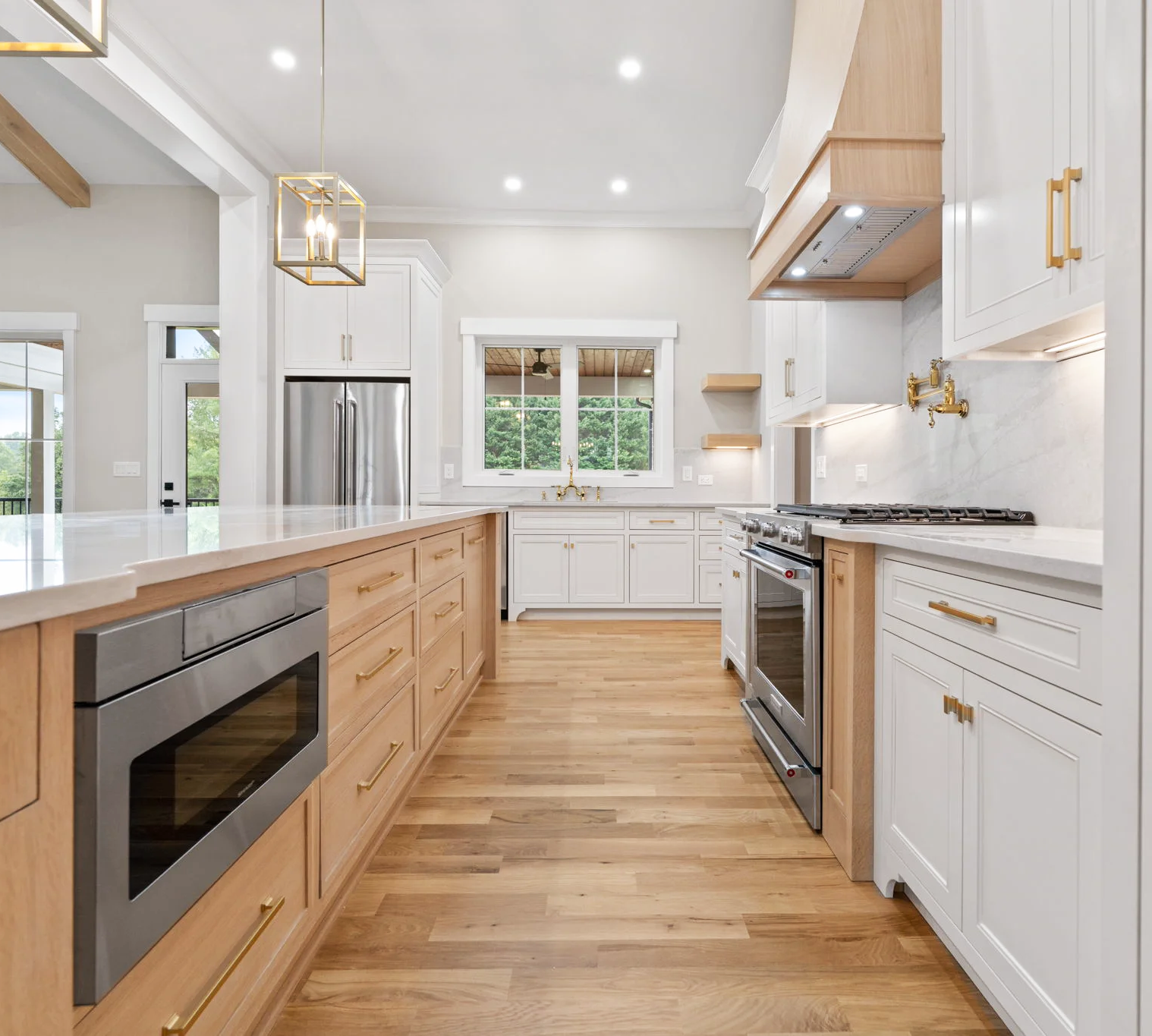
When property owners think about upgrading their homes, they often encounter numerous renovation options suited to various requirements and preferences. These services can be broadly categorized into several types, each focusing on particular areas of home improvement. Kitchen remodeling focuses on modernizing fixtures, the cabinets, and the design to boost practicality and visual appeal. Bathroom remodeling typically involves updating the hardware, the ceramic work, and storage solutions for improved comfort and style.
Full-house renovation covers significant changes throughout the residence, often including structural alterations to optimize space and layout. External improvement work, on the other hand, aim to improve the home's outward appearance, dealing with the cladding, the roof, and the garden design. Furthermore, specific options including converting the cellar and loft remodeling allow homeowners to maximize underutilized spaces. Every renovation category delivers specific perks, letting residents pick services that align with their vision for their living environment. Knowing these variations is essential when deciding intelligently during the renovation process.
Establishing a Practical Spending Plan for Your Renovation Undertaking
How can homeowners guarantee their remodeling projects remain within budget? Developing an achievable budget is crucial. It is advisable for homeowners to begin by determining their fiscal limits, like savings and available loan choices. This initial step helps establish the amount that can be set aside for the updating project without compromising other financial responsibilities.
Next, homeowners must investigate the expenses linked to their planned updates, taking into account materials, labor, and unexpected explanation costs that frequently occur. Making an exhaustive list of needs helps with separating necessities from non-essential items, allowing for adjustments if the budget tightens.
It's wise to include a contingency fund, usually about 10-20% of the overall cost, to cover unexpected costs. Periodically examining and tweaking the budget as the updating work progresses can also help maintain financial control. Finally, a thoroughly prepared budget ensures the project is feasible but also improves the entire renovation process for property owners.
Finding the Best Contractor for Your Needs.
Selecting the right contractor has a major influence on the success of a remodeling project. Homeowners should begin by conducting thorough research, looking for suggestions from acquaintances, relatives, or web feedback. It is essential to confirm documentation, like licenses, insurance, and bonds, to establish credibility.
After suitable professionals have been found, property owners must ask for comprehensive quotes and schedules, facilitating well-grounded side-by-side evaluations. Discussions reveal their approach to dialogue and their level of expertise, that are key to a cooperative effort.
Additionally, reviewing past projects through portfolios or references demonstrates the professional's skill level. Homeowners should also inquire about warranties or guarantees, indicating the builder's certainty about their services.
Finally, picking a builder whose approach fits the property owner's ideas, cost plan, and timeframe fosters a more positive remodeling experience, guaranteeing that the project meets expectations and successfully updates the home's interior.
Organizing and Conceptualizing Your Perfect Area.
As homeowners envision their ideal spaces, meticulous organization and deliberate design become essential components of a triumphant renovation effort. The first step involves evaluating current needs and future aspirations, to gain a complete comprehension of the area's utility. Homeowners should consider practicality, aesthetics, and their individual taste, to guarantee the design showcases their distinctive choices.
Next, establishing a thorough budget is crucial. This budget should cover supplies, workforce costs, and possible unexpected costs. Hiring professional designers can offer helpful perspectives, assisting in improving the layout while sticking to budgetary constraints.
Incorporating elements like ample daylight, open layouts, and sustainable materials can elevate the living environment. Lastly, seeing the project via mock-ups or 3D visualizations can aid in refining ideas before implementation. By thoughtfully tackling the design and planning stage, homeowners can build a comfortable, effective space customized for their needs.
Dealing with Permits and Building Codes in House Renovation
Grasping the intricacies of permits and rules can be challenging for homeowners beginning a home improvement project. Every local government sets particular guidelines that dictate what is permissible during renovations, typically guided by area restrictions, building codes, and security requirements. Owners need to acquaint themselves with local regulations so they don't incur hefty fees or setbacks in the timeline.
Typically, obtaining permits is crucial for major changes, such as structural changes or electrical work. This process often involves submitting plans for review and might demand site visits at multiple points.
Hiring an experienced builder can simplify this process, as they are typically experts in municipal rules and can assist with paperwork. Owners must also maintain clear communication with the municipal planning office to verify legality throughout the project. By comprehending and working within these rules, homeowners can meet their renovation objectives while ensuring safety and legality in their renovations.
Common Queries
How Much Time is Needed for a Typical Remodeling Job?
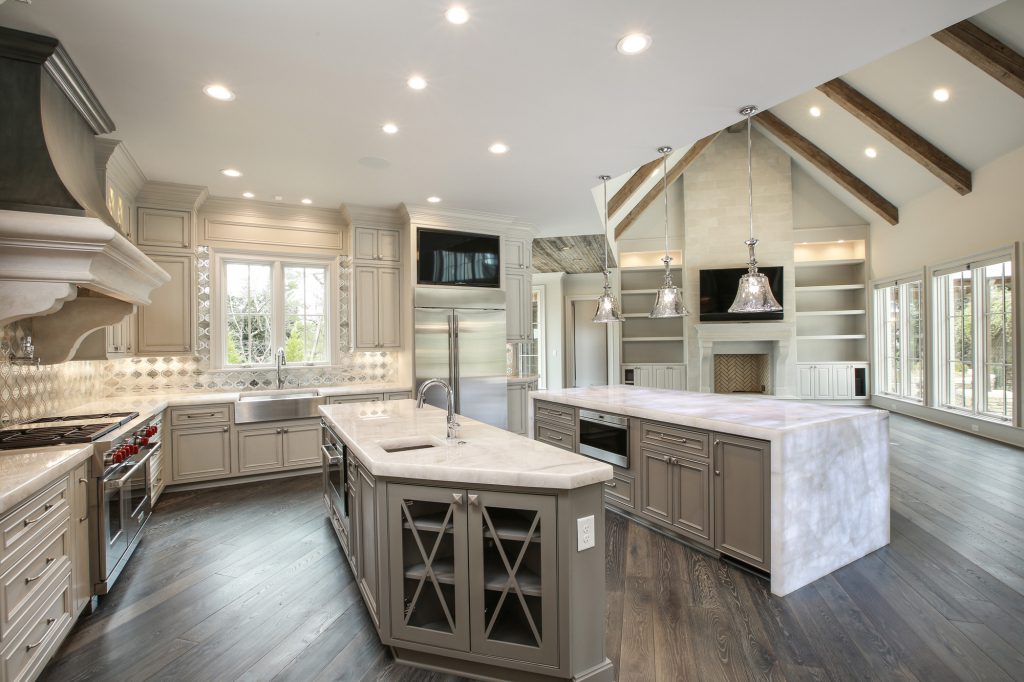
The average remodeling job typically spans three to six months on average, contingent upon the extent of the project, size of the home, and material lead times. Intricate jobs could demand more time for completion.
What are frequent blunders to avoid when renovating?
Frequent errors when renovating a home often involve underestimating budgets, ignoring necessary permits, missing scheduled deadlines, failing to communicate effectively with contractors, and ignoring long-term functionality. Knowing these potential problems helps ensure a smoother, more successful renovation project.
What's the best way to select the right materials for my project?
Selecting appropriate supplies means considering how long they will last, aesthetics, and budget. Investigating available choices, getting expert advice, and thinking about upkeep will significantly help in making informed decisions, ensuring the project aligns your needs and preferences.
Is it possible to stay in my house throughout the construction phase?
You are able to stay in their home during renovations, but you should expect some hassle. Careful planning, maintaining open dialogue with your builders, and setting aside certain zones for essential activities can lessen the stress throughout the project.
What guarantees should I look for from the renovation company?
You should anticipate receiving warranties for the labor performed, the products installed, and key building elements, often covering a period of one to ten years. It is essential to examine the exact provisions in partnership with the renovation company to know the full extent of the guarantee and its restrictions.